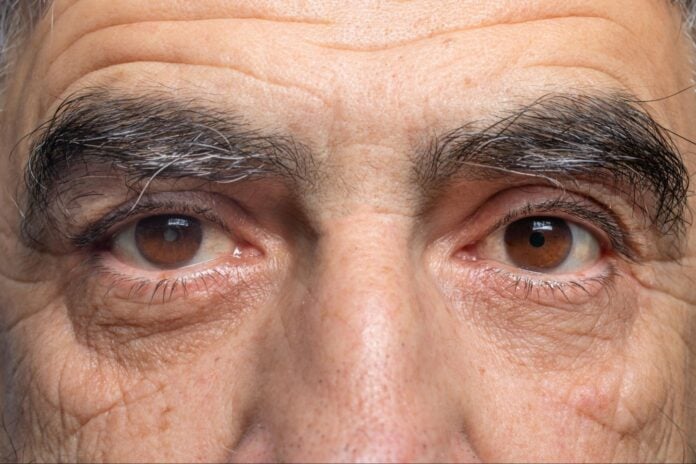

Did you know? Cataracts represent a significant concern in ophthalmology, affecting millions worldwide by leading to compromised vision. This article will delve into the symptoms, causes, and treatment options available for cataracts, providing comprehensive insights into this prevalent condition that can affect one’s quality of life.
What are Cataracts?
Cataracts are characterized by the gradual opacification of the eye’s lens, ultimately leading to blurred or dim vision. Initially, individuals might not notice significant disturbances; however, as cataracts progress, they can lead to increasingly severe visual impairments. Common misconceptions include the belief that cataracts only affect older adults, but they can occur at any age due to various risk factors, including genetics, prolonged sun exposure, and certain medical conditions.
The development of cataracts can significantly alter one’s visual experience, causing problems such as halos around lights or difficulty seeing at night. Addressing these symptoms is essential for managing the condition effectively. Identifying and understanding cataracts is the first step in seeking appropriate treatment.
Types of Cataracts
There are multiple types of cataracts, including cortical and posterior cataracts.
- Cortical Cataracts: These cataracts develop in the outer layer of the lens and can lead to difficulties with glare, affecting vision in bright lights.
- Posterior Cataracts: This type forms at the back of the lens, often causing issues with reading and seeing details clearly.
Each type affects vision differently and may necessitate varied treatment approaches. Understanding these distinctions helps in selecting the most effective options for management.
Symptoms of Cataracts
Cataracts are a common eye condition that develops gradually, making early recognition of its symptoms essential to maintaining quality of life and overall vision health.
- Clouded or blurred vision: A noticeable haze or dimness that may require brighter lighting for tasks like reading or working
- Difficulty seeing at night: Reduced night vision, often accompanied by glare, halos, or starburst patterns around lights
- Frequent prescription changes: A regular need to update eyeglass or contact lens prescriptions can be an early indicator
- Faded or yellowed colors: Colors may appear less vivid or take on a yellowish tint as the lens clouds over time
- Impact on daily life: When symptoms begin interfering with everyday activities, consulting an eye care professional is essential to determine whether cataract surgery may be necessary
Cataract: Causes and Risk Factors

Understanding what contributes to the development of cataracts is key to both prevention and effective management of this common eye condition.
- Age-related changes: The most common cause, with cataracts typically developing as the natural lens of the eye gradually loses clarity over time
- Medical conditions: Diabetes and obesity can significantly increase the risk of developing cataracts
- UV exposure: Prolonged exposure to sunlight without proper eye protection can accelerate cataract formation
- Lifestyle factors: Smoking has been strongly linked to a higher risk of cataracts
- Genetics: A family history of cataracts increases your likelihood of developing the condition
- Previous eye trauma or surgery: Past eye injuries or surgical procedures can contribute to cataract development later in life
Factors Leading to Cataract Development
While aging remains the leading cause of cataracts, several other factors can accelerate their development and impact long-term eye health.
- Aging process: As we age, proteins in the lens naturally break down, leading to gradual clouding and reduced visual clarity
- Genetics: A family history of cataracts can increase your likelihood of developing the condition
- Lifestyle habits: Smoking and poor dietary choices have been linked to higher cataract risk
- Environmental exposure: Prolonged exposure to UV rays without proper eye protection significantly raises susceptibility
- Preventive care: Regular eye examinations and a healthy lifestyle can help reduce the risk and slow the progression of cataracts
Diagnosis of Cataracts
Diagnosing cataracts early is essential for preserving vision and ensuring effective treatment, with ophthalmologists using a combination of standard eye exams and advanced imaging techniques to detect signs of clouding in the lens.
- Comprehensive eye exam: A regular check-up evaluates overall eye health, visual acuity, and any changes in vision that may indicate early cataract development
- Symptom evaluation: Patients are assessed for common signs such as needing more light to read, sensitivity to bright sunlight, or seeing halos around lights
- Slit-lamp examination: Using a biomicroscope, the eye doctor shines a focused beam of light through the eye to closely examine the lens for clouding or opacification
- Visual acuity test: Measures how clearly a patient can see at varying distances, helping identify how cataracts may be affecting vision
- Advanced imaging: Techniques such as optical coherence tomography (OCT) and ultrasound biomicroscopy provide detailed views of the eye’s internal structures to confirm the severity of cataracts
- Importance of early detection: Regular assessments allow for timely intervention, reducing the risk of vision impairment and supporting better long-term eye health
Treatment Options for Cataracts
As cataracts progress and begin to affect daily life, a range of treatment options is available to restore clear vision and improve overall quality of life.
- Non-surgical management: In the early stages, improved lighting, anti-glare sunglasses, and updated prescription glasses can help manage mild symptoms
- Cataract surgery: When cataracts significantly impair vision, surgery becomes the most effective option, involving removal of the cloudy lens and replacement with a clear artificial intraocular lens (IOL)
- Outpatient procedure: Cataract surgery is typically performed on an outpatient basis, with a strong safety record and high success rate
- Quick recovery: Most patients experience noticeable improvements in vision shortly after surgery, allowing them to return to daily activities with greater ease and clarity
- Long-term outlook: With proper diagnosis, timely treatment, and follow-up care, individuals with cataracts can maintain excellent vision and quality of life
Cataract Care: A Trusted Step Toward Clearer Sight
Cataracts gradually cloud the eye’s natural lens and can significantly affect daily life, but with early detection and modern treatments like phacoemulsification, clear vision can be effectively restored. At the Eye Center, Samitivej Chinatown Hospital, our experienced specialists provide comprehensive cataract assessments and personalized treatment plans, combining advanced technology with expert care to help you see the world more clearly, every step of the way.
ติดตามข่าวสารจาก Brand Inside ได้จาก Facebook ของเรา